

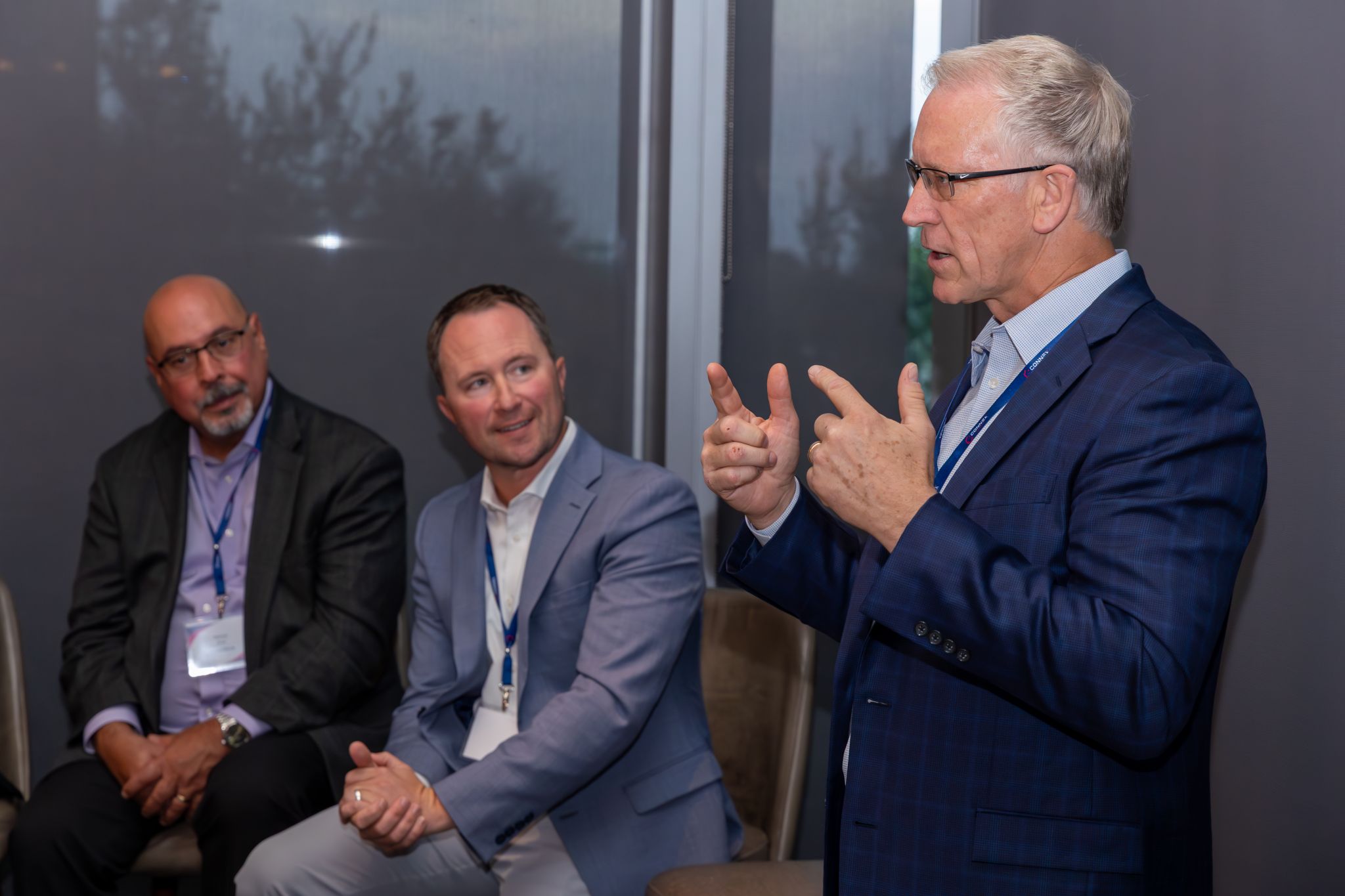
It is more difficult than ever to reach top-level decision-makers in today’s B2B environment. Their inboxes are overflowing, and traditional outreach methods no longer produce the same results. As a result, many businesses face significant challenges in forming genuine connections.
The majority of B2B buyers now spend more time doing their own online research than talking to sales teams. This change has created a gap in trust. Things like webinars and cold emails are no longer enough to close the deal.
So, how can you start real conversations and build trust with your most important prospects? That is where roundtable discussions come in.
Let’s learn what a roundtable discussion is, its various types, and how to plan a successful roundtable discussion.
The format you choose should reflect your audience, goals, and available resources.
These events are typically held in private dining rooms in upscale venues. They facilitate richer conversations and relationship-building through social elements. These social events include networking dinners or post-event cocktails.
This type of roundtable discussion is perfect for global audiences or busy executives. Virtual roundtables run for 60–90 minutes. They use tools like Zoom, Teams, or Miro to replicate the intimacy of in-person settings. Breakout rooms, polls, and chat features ensure high participation.
Some roundtables are public-facing while others are private and confidential. Under the Chatham House Rule, participants can speak freely knowing their contributions will remain anonymous outside the event.
When you invite executives into an exclusive, non-salesy conversation, you create an environment that fosters trust.
Roundtables spark rich discussions that can fuel blog posts, whitepapers, and social media content.
Participants are often mid- to late-stage prospects, which means better-qualified leads.
Existing clients feel heard and valued when they are invited to contribute insights alongside peers.
You can customize each roundtable to focus on a specific industry, customer group, or group of related accounts.
The insights you gain can inform product development, messaging, and positioning. Both sales and marketing teams can benefit from these engagements.

we partner with ambitious teams to solve real problems, ship better products, and drive lasting results.
Read more Case Studies & Insights.jpeg)